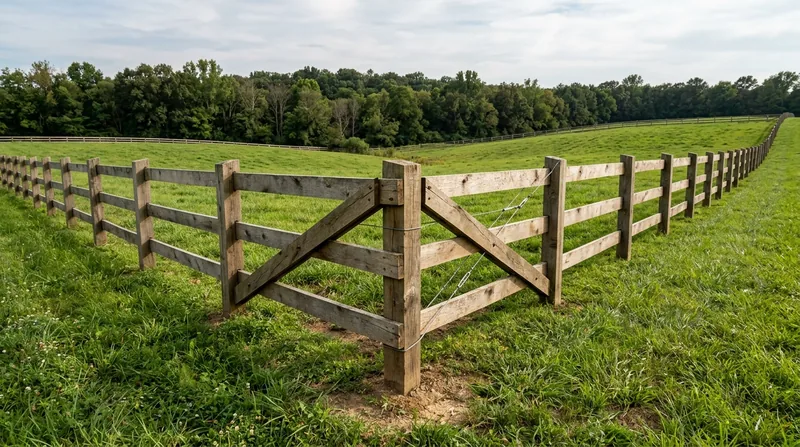




Farm fence installation in St. Louis serves property owners across Jefferson, St. Charles, and Franklin counties who need durable perimeter fencing built to handle livestock pressure, equipment passage, and the wear that comes with active acreage. Whether you run cattle, horses, or mixed stock, a well-built ranch fence protects your investment and keeps animals contained safely. St. Louis Fencing has installed and repaired ranch rail, no-climb horse fence, field wire, and pipe fencing since 2011 for landowners who demand honest guidance and crews that show up to do the work themselves. We work from your existing survey and install on the line you identify, with full attention to gate placement, post spacing, and the hardware that holds up under daily use. Call us at (314) 668-1539 for a free estimate, or read on to understand what goes into a ranch fence project and why hiring the right crew matters.
Why Ranch Fencing Matters in St. Louis Acreage
Properties with livestock or active farm operations face real fencing demands that suburban privacy fence cannot meet. A ranch fence must resist the weight of animals pressing against rails, absorb impact from equipment, and endure years of weather and ground movement without sagging or failing at critical points. In the Greater St. Louis area, acreage owners in unincorporated Jefferson, St. Charles, and Franklin counties typically have fewer height restrictions than municipalities, but deed restrictions and conservation easements can apply. Getting the right material and build method from the start saves costly repairs or full replacement down the road.
- We install split rail fencing for classic ranch aesthetics and low-maintenance durability on acreage.
- No-climb horse fence combines rigid field wire with sturdy posts to prevent hooves from catching and injuries from happening.
- Pipe fencing offers maximum strength for high-traffic gates and areas where animals or equipment exert constant pressure.
- Barbed wire and field wire fencing provide cost-effective perimeter control when aesthetic finish is less critical than containment and durability.
- We set all posts in concrete and space them correctly to prevent racking and post rot over time.
Each method is chosen based on your animal type, herd size, gate location, and the specific work your fence must do.
Key info: St. Charles County and unincorporated Franklin County properties often have setback and height rules that differ from St. Louis city limits. We verify requirements with the county assessor and your deed before breaking ground, and we always call Missouri 811 for utility locates before digging any post holes.
How We Build Ranch Fencing in St. Louis: From Survey to Final Gate
A solid ranch fence starts with the right post depth, spacing, and concrete set. We begin by walking your property line with you, confirming gate locations and any terrain challenges like slopes or drainage areas that affect post placement. Posts for ranch fencing typically go 3 to 4 feet deep and are set in concrete to resist frost heave and animal pressure. We space posts 6 to 8 feet apart for rail fencing and adjust spacing based on wire gauge and tension requirements for field fence or no-climb systems.
- We locate all underground utilities via Missouri 811 to prevent damage and ensure safe digging.
- Posts are set plumb and in concrete, not tamped earth, so they hold through freeze and thaw cycles.
- Rails are installed level or stepped to follow terrain, with anti-sag bracing added where span or animal pressure demands it.
- Gates are hung on heavy-duty hinges with self-closing and self-latching hardware where livestock confinement is critical.
- We inspect the completed fence with you and explain maintenance needs specific to your chosen material and animal type.
The result is a fence that works hard and stays in service for years without constant repair.
Local example: A 5-acre property in O'Fallon with mixed cattle and horses typically needs 400 to 600 linear feet of perimeter fencing plus one or two internal cross-fences for rotational grazing. We design gate placement so you can move equipment and animals safely, and we build with pipe or no-climb fence in high-traffic zones and split rail where aesthetics matter. For more information on gate design and installation, see our gate installation and repair page.
Ranch Fence Materials and Methods Compared
| Material or Method | Description and Use | Best For |
|---|---|---|
| Split Rail | Horizontal wooden rails mortised into wooden posts, typically 2 or 3 rails high. Cedar or pressure-treated pine. Classic ranch look with low maintenance once installed. | Aesthetics and visibility on acreage; horses and cattle where rail spacing is adequate for your herd size. |
| No-Climb Horse Fence | Rigid field wire (2x4 or 2x6 mesh) mounted on wooden or metal posts. Prevents hooves and legs from catching. Durable and secure for equine operations. | Horse farms, boarding operations, and properties where hoof injury prevention is essential. |
| Pipe Fencing | Galvanized steel pipe welded or bolted into place. Maximum strength and longevity. Resists animal pressure and equipment impact. Requires no paint or stain maintenance. | High-traffic gates, loading areas, premium acreage, and any zone where durability over 20+ years justifies the upfront cost. |
| Barbed Wire and Field Wire | Wire strands stretched between posts and held by tension bands or staples. Economical perimeter control. Requires regular inspection for sagging and damage. | Large acreage, pasture boundaries, and cost-sensitive projects where aesthetic finish is secondary to containment. |
We help you match material to your animal type, budget, and long-term maintenance tolerance. A split rail fence on acreage in Chesterfield may look different from a no-climb system on a horse farm in St. Peters, but both are built to last if posts are set right and gates are hung correctly.
Farm and Ranch Fencing Cost in St. Louis: What to Expect
Ranch fencing costs depend on material choice, post spacing, terrain, gate count, and whether you need internal cross-fences or just perimeter work. Ranch fence installation in the St. Louis area typically starts at $12 per linear foot for basic split rail or field wire on level ground with standard post spacing. No-climb horse fence and pipe fencing run higher because of material cost and the labor required to install rigid systems correctly. A 500-foot perimeter with two gates on 5 acres might range from $6,000 to $12,000 or more, depending on whether you choose wood rail, wire, or steel pipe. Terrain challenges like slopes, dense trees, or poor drainage that requires special post techniques can increase costs. We always recommend getting 2 or 3 estimates so you understand what each crew is proposing and why prices differ. For a detailed pricing overview and to discuss your specific acreage, visit our pricing page or call (314) 668-1539 for a free estimate.
Farm and Ranch Fencing Near Me: What St. Louis Acreage Owners Should Know Before Hiring
Hiring the right fence crew for ranch work means checking that they understand livestock confinement, post depth requirements, and gate design. We are fully insured and an AFA Member Installer with the American Fence Association, so you know the work meets professional standards. Always ask for references from other acreage owners in your area, not just suburban homeowners. A crew that can point to split rail fences they built five years ago on properties in St. Charles or Franklin County has real experience with your local conditions and animal types. Verify that the crew will call Missouri 811 before digging and will work from your existing survey or deed, not guess at property lines. Ask whether they set posts in concrete or tamp earth, because that choice directly affects how long your fence lasts. If your acreage is in an unincorporated county or a master-planned community, confirm that they understand local setback and height rules and any HOA architectural standards that may apply. For questions or to schedule a free estimate, contact us at (314) 668-1539, and we will walk your property with you and explain exactly what we propose to build and why.
Farm & Ranch Fencing in St. Louis: Pricing Guide
| Service | Price | Details |
|---|---|---|
| Split Rail Fence | Starting at $12/ft | Posts set in concrete, rails mortised and installed level or stepped; includes standard spacing and basic gate hardware |
| No-Climb Horse Fence | Starting at $16/ft | Rigid field wire mounted on posts, designed to prevent hoof injury; includes anti-sag bracing and hardware for equine safety |
| Pipe Fencing | Starting at $18/ft | Galvanized steel pipe welded into place, maximum durability and strength; ideal for high-traffic gates and long-term use |
| Barbed Wire and Field Wire Fencing | Starting at $8/ft | Wire strands with tension bands on wooden posts, most economical option; requires periodic inspection and maintenance |
| Multi-acre or complex project | On estimate | Terrain challenges, internal cross-fences, multiple gates, or mixed materials require site visit to determine final pricing |
| Free estimate and consultation | No cost | We walk your property, discuss animal type and acreage needs, and provide detailed written estimate within 24 hours |
Indicative pricing, the exact cost depends on square footage, finish, and site access. Free personalized estimate within 24h at (314) 668-1539.


