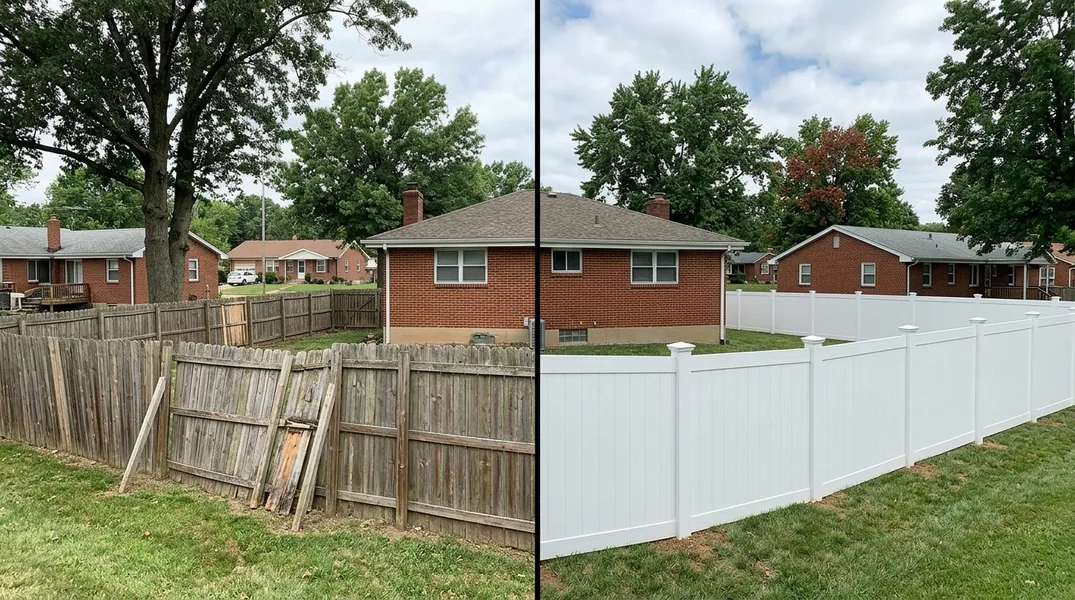
Understanding Your Fence Options in St. Louis
Choosing the right fence for your St. Louis backyard is one of the most important decisions you'll make as a homeowner. Your fence defines your property line, enhances curb appeal, provides privacy, and keeps your family and pets safe. But with so many materials available, the decision can feel overwhelming. Three of the most popular options for residential fencing are cedar wood, vinyl, and chain link, each with distinct advantages and drawbacks.
The climate in St. Louis plays a significant role in determining which fence material will perform best. Our region experiences hot, humid summers and cold, wet winters, which can take a toll on exterior structures. Understanding how each material responds to these conditions will help you make an informed choice that protects your investment for years to come.
Cedar vs Vinyl Fence: The Classic Comparison
Wood & Privacy Fence Installation using cedar has been a traditional choice for homeowners seeking natural beauty and a warm aesthetic. Cedar is naturally resistant to rot and insects, making it a durable option compared to other wood species. The rich, reddish-brown color and grain pattern of cedar create an attractive appearance that many homeowners find appealing. Over time, untreated cedar will weather to a silvery-gray patina, which some people love and others prefer to avoid through regular staining or sealing.
Vinyl & PVC Fence Installation has gained popularity in recent years as a low-maintenance alternative to wood. Vinyl fencing is made from polyvinyl chloride (PVC), a plastic material that resists rotting, splintering, and insect damage. It comes in various colors and styles, including options that closely mimic the appearance of wood without requiring the same level of upkeep. However, vinyl can become brittle in very cold temperatures and may fade or discolor over time when exposed to intense UV rays, which is something to consider in our climate.
When comparing cedar vs vinyl fence materials directly, the maintenance requirements differ significantly. Cedar requires regular staining, sealing, and inspection for signs of damage or decay. Vinyl requires only occasional cleaning with soap and water to maintain its appearance. For busy homeowners who want to spend less time on maintenance and more time enjoying their yard, vinyl offers clear advantages. However, if you value the natural look and environmental sustainability of wood, cedar remains an excellent choice with proper care.
Chain Link Fence Installation: Affordability and Practicality
Chain Link Fence Installation represents the most budget-friendly option for property owners who prioritize function over aesthetics. Chain link fencing consists of interlocking steel wire woven in a diamond pattern, supported by steel posts. This material is incredibly durable and can withstand the temperature fluctuations and moisture that St. Louis experiences throughout the year. Chain link fences are commonly used for commercial properties, rental homes, and homeowners who need a practical containment solution for pets and children.
The primary advantage of chain link fencing is its transparency. Unlike solid wood or vinyl fences, chain link allows visibility through the fence, which some homeowners appreciate for security purposes or maintaining sightlines across their property. The installation process is typically faster and less labor-intensive than wood or vinyl alternatives, which contributes to its lower overall cost. Chain link fencing also requires minimal maintenance beyond occasional cleaning and inspection for rust spots or damage.
However, chain link fencing does have limitations. It offers no privacy, which is a dealbreaker for many homeowners seeking a secluded backyard retreat. The appearance is purely utilitarian, and it may not complement the architectural style of your home or enhance curb appeal. Additionally, while the initial pricing is attractive, galvanized steel chain link can eventually develop rust in humid climates, particularly if the galvanizing is compromised. Vinyl-coated chain link options are available to reduce rust concerns and add color variety, though they cost more than bare metal versions.
Durability and Weather Resistance in the St. Louis Climate
St. Louis homeowners must consider how their fence will perform through our region's challenging weather patterns. Summers bring intense heat and humidity, while winters can include freezing temperatures, ice, and significant moisture. Cedar wood, while naturally rot-resistant, can still absorb moisture and expand or contract with seasonal changes. This movement can eventually lead to warping, cracking, or splitting, especially if the wood isn't properly sealed and maintained annually. A well-maintained cedar fence can last 15 to 20 years in our climate, but neglecting maintenance can significantly shorten its lifespan.
Vinyl fencing demonstrates excellent resistance to moisture and temperature fluctuations. It won't rot, warp, or split regardless of how wet or cold our winters become. The material remains stable across the temperature range typical for St. Louis, though extreme cold can make it slightly more brittle. Most quality vinyl fences are designed to last 20 to 30 years or longer with minimal maintenance. The UV resistance of premium vinyl products helps prevent fading, though less expensive vinyl options may show color changes over time in our sunny summers.
Chain link fencing, particularly galvanized steel versions, handles moisture well but requires attention to rust prevention. Galvanizing provides a protective zinc coating that resists corrosion, but this coating can be damaged during installation or by environmental factors. In St. Louis's humid climate, any exposed steel will eventually rust if left unprotected. Vinyl-coated chain link offers better rust resistance and is a wise choice if you select this option. Overall, vinyl offers the best durability for our climate, followed closely by properly maintained cedar, with chain link requiring more vigilance to prevent rust issues.
Wood & Privacy Fence Installation Cost in St. Louis: What to Budget
Understanding the financial investment required for each fence type is crucial for homeowners planning their projects. Cedar wood fencing typically falls in the mid-range price category, with costs varying based on the grade of wood, the complexity of your design, and current lumber prices. In addition to material costs, you should budget for regular maintenance including staining, sealing, and repairs. When calculating the total cost of ownership over the fence's lifespan, these ongoing expenses add up significantly. The initial installation cost for cedar may seem reasonable, but the long-term maintenance commitment requires additional financial planning.
Vinyl fencing generally costs more upfront than cedar, sometimes 20 to 40 percent higher depending on the quality and style you choose. However, the absence of ongoing maintenance costs makes vinyl more economical over the long term. You won't need to budget for annual staining, sealing, or major repairs. For homeowners who value their time and prefer predictable expenses, vinyl's higher initial cost often makes sense when spread across its 20 to 30 year lifespan. Premium vinyl options that better mimic the appearance of wood will cost more than basic vinyl styles.
Chain link fencing offers the lowest initial pricing of the three options, making it attractive for budget-conscious homeowners or those with large properties where cost per linear foot becomes significant. Installation is typically faster and less expensive than wood or vinyl alternatives. However, if you eventually decide you want privacy or better aesthetics, you may need to invest in additional materials like privacy slats or screening. To get accurate pricing for your specific project, we recommend contacting St. Louis Fencing at (314) 668-1539 to discuss your needs and receive a free estimate.
Making Your Final Decision: Which Fence Is Right for You?
Selecting the best fence material ultimately depends on your priorities, budget, and lifestyle. If you value natural beauty and don't mind regular maintenance, cedar wood offers warmth and character that many homeowners cherish. If you prefer a low-maintenance solution and can invest more upfront, vinyl provides excellent durability and modern styling options. If your primary concern is cost and you need a functional containment solution without privacy requirements, chain link is a practical choice. Consider your long-term plans for your home as well. If you're planning to stay in your St. Louis property for many years, investing in a higher-quality fence that will age gracefully makes sense.
Beyond material selection, the quality of installation matters tremendously. Even the best fence material will fail prematurely if installed incorrectly. Posts must be set at the proper depth with appropriate footings, tension must be correct, and all components must be aligned properly. This is why working with experienced professionals is so important. St. Louis Fencing has the expertise to install your chosen fence material correctly, ensuring it performs well for years to come. Whether you're considering Wood & Privacy Fence Installation, vinyl, or chain link, our team understands the specific requirements for each material and how to adapt installation techniques to St. Louis's climate and soil conditions.
We encourage you to think about your specific needs, consider the long-term costs and maintenance requirements, and evaluate how each option fits your home's style and your lifestyle. If you're ready to move forward with your fencing project, contact St. Louis Fencing today at (314) 668-1539 or visit our website to request a free estimate. Our team will be happy to discuss your options, answer your questions, and help you choose the perfect fence for your backyard.
Looking for a professional tree service in St. Louis? St. Louis Fencing responds fast for all your fence needs.
Get a Free Quote