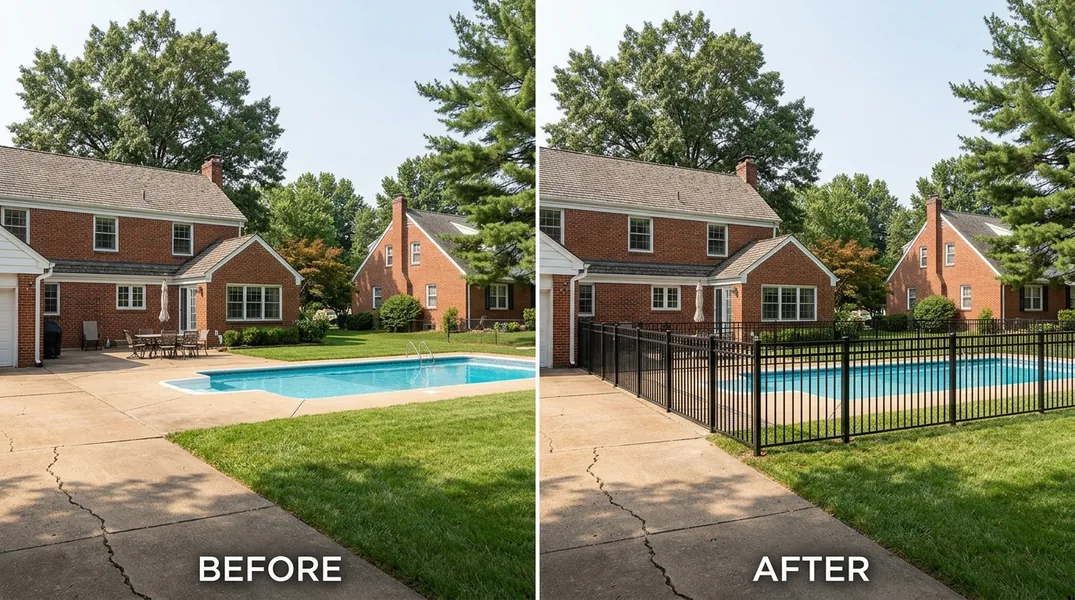
Understanding HOA Fence Rules in St. Charles County
If you own a home in a homeowners association (HOA) community in St. Charles County, you already know that HOAs exist to maintain property values and neighborhood aesthetics. What you may not know is that this often includes strict regulations about fencing. Before you even think about ordering a new fence, understanding your HOA's specific rules is essential. Many homeowners in the area discover too late that their dream fence violates subdivision guidelines, which can result in costly removal or expensive modifications.
HOA fence rules vary significantly from one subdivision to another. Some neighborhoods in St. Charles allow Wood & Privacy Fence Installation without much restriction, while others have detailed specifications about height, material, color, and setback distances. The key is to check your CC&Rs (Covenants, Conditions, and Restrictions) document and contact your HOA board before making any decisions. This proactive approach saves time, money, and frustration.
What to Look for in Your HOA Documents
Your HOA's governing documents are your first and most important resource. These typically include the CC&Rs, bylaws, and any architectural guidelines that spell out what you can and cannot do with your property. When researching fence regulations, look for sections specifically titled 'Fencing,' 'Exterior Modifications,' or 'Architectural Standards.' Pay close attention to any diagrams, measurements, or photographic examples the HOA may have included. These visual references can clarify whether your vision aligns with what's permitted.
Specific details to hunt for include maximum fence height (usually 6 feet for backyard privacy fences), minimum setback requirements from property lines, approved materials, and whether front-yard fencing is restricted. Some St. Charles County subdivisions prohibit certain materials entirely, while others only allow specific colors like natural wood tones or neutral hues. If your documents mention that HOA approval is required before installation, that's a red flag that you'll need to submit plans or photographs before proceeding. Many homeowners overlook this step and end up facing violations.
Navigating Fence Color Rules and Material Restrictions
Fence color rules are one of the most common sources of conflict between homeowners and HOAs. While you might envision a bright privacy fence, your subdivision's guidelines could mandate natural wood stains, earth tones, or even white vinyl only. In St. Louis area HOAs, neutral colors are standard because they're considered less visually intrusive and help maintain a cohesive neighborhood appearance. Before you fall in love with a specific color, confirm that it meets your HOA's standards.
Material restrictions often go hand-in-hand with color rules. Some HOAs prefer the natural look of wood and restrict vinyl or Chain Link Fence Installation entirely. Others embrace low-maintenance vinyl because it doesn't require staining or sealing. A few progressive subdivisions even allow Aluminum & Ornamental Iron Fencing for front yards. Understanding these preferences early means you won't waste time researching options that won't be approved. If you're unsure whether a specific material or color is allowed, reach out to your HOA board in writing and ask for clarification in writing so you have documentation.
The Subdivision Fence Approval Process
Most HOAs require formal approval before you install a fence, even if your plans technically comply with written rules. The approval process typically involves submitting an architectural review request to your HOA board. This usually includes a site plan showing your property, the proposed fence location, height, material, and color. Some HOAs ask for photographs or product samples. The review committee then evaluates your request against the CC&Rs and either approves, conditionally approves, or denies it. This process can take anywhere from one to four weeks, so plan accordingly if you're hoping to install your fence by a specific date.
To streamline the approval process, gather all required documentation before submitting. Contact your HOA management company or board president to ask what forms and information they need. Provide clear, professional drawings or photographs. If you're working with a reputable fencing contractor in the St. Charles area, they often have experience with local HOA requirements and can help prepare your submission. Once you receive written approval, keep that documentation on file. If you ever sell your home or face questions about your fence later, having approval in writing protects you and proves you followed proper procedures.
Common HOA Fence Violations and How to Avoid Them
The most frequent fence violations in St. Charles County subdivisions involve height, setback, and color. A fence that's even six inches taller than allowed can trigger a violation notice. Similarly, installing a fence too close to your property line (when the HOA requires a specific setback) or choosing an unapproved color can result in a formal complaint. Some HOAs are lenient and simply ask you to make corrections, while others impose fines or require removal. The best way to avoid these costly mistakes is to verify every detail before ordering materials or hiring a contractor.
Another common pitfall is assuming that because a neighbor has a similar fence, yours will be approved. HOA rules may have changed, or your neighbor may have received a variance or exemption you're unaware of. Never assume; always verify directly with your HOA board. If you discover that your existing fence violates HOA rules, contact your board immediately to discuss options. Many boards will work with homeowners on a timeline for compliance rather than imposing immediate fines, especially if you're proactive about resolving the issue.
Getting Professional Help with HOA-Compliant Fence Installation
Once you've confirmed that your fence plan meets HOA requirements, it's time to find a qualified contractor. St. Louis Fencing specializes in helping homeowners navigate HOA requirements while installing quality fencing that meets all local codes and regulations. Our team understands the nuances of different subdivision rules and can guide you through material and color selections that will pass HOA review. Whether you're interested in Vinyl & PVC Fence Installation, traditional wood privacy fences, or decorative options, we ensure your project complies with all requirements before we break ground.
The investment in professional guidance pays for itself by preventing costly mistakes and delays. When you're ready to move forward, contact St. Louis Fencing at (314) 668-1539 to discuss your project and get a free estimate. Our team will review your HOA requirements, help you select materials and colors that meet guidelines, and handle the installation with precision. We want your new fence to enhance your home and neighborhood while keeping you in good standing with your HOA. Don't let confusion about HOA fence rules delay your project. Reach out today, and let's make sure everything is done right the first time.
Looking for a professional tree service in St. Louis? St. Louis Fencing responds fast for all your fence needs.
Get a Free Quote